Notes
State Of The Art by Spaceballs (demo)

This is a legendary Amiga demo from 1992 that won first place at The Party 92. It revolutionized the scene by combining vector animations of dancing silhouettes with techno/happy hardcore music.


-
-
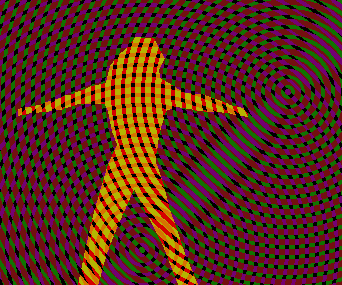 State of the Art by Spaceballs
pouet.net
Acme - 303 (1997)
Released in 1997, this demo blew some minds with its uncompromising style, lengthy vocals, and video rendering. No wonder it ranked first at X 1997.


State of Mind by Bomb! (demo)
Solo-coded by the talented Skal, this demo has everything the late 90s could provide: a pure software 3D engine (look at the shadows...), a video player, crazy good 2D effects, and a mp3 player. This demo never lost its energy. must watch!


Turning AI-generated glitchy dance videos into pen-plotted album art

When POLAAR commissioned me to create the album cover for Soreab, a UK techno producer, they asked for something in the spirit of my "Turntable Anatomy" series (a pen plotted series of generative modular grid art). But this project would take me somewhere else: into the intersection of AI glitchy hallucinations, contemporary dance theory, and the physical permanence of ink on paper.
Kkowboy by Blasphemy & Purple (demo)
In somewhat of the same vibe as moralhardcandy, this earlier collab between blasphemy and purple is another gem. Released in 1998, it ranked 3rd at The Party, just behind State of Mind.


-
-
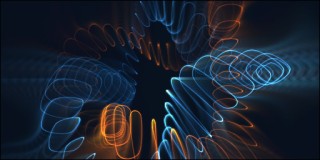 Kkowboy by blasphemy & Purple
pouet.net